
“Law and Order” as a political strategy refers to the use of rhetoric and policies emphasizing strict enforcement of laws, crime control, and public safety as a means to gain political support. This strategy has been used to appeal to white voters using racialized narratives about crime, and social unrest.
Where did it begin?
The phrase “law and order” gained prominence during the 1960s amid significant social changes, including the Civil Rights Movement, urban uprisings, and anti-Vietnam War protests. It became a political tool to address fears of increasing crime rates and societal upheaval, often framing the unrest as a breakdown of traditional values and governance. See Southern Strategy
- Key Figures:
- Barry Goldwater (1964 Presidential Campaign): Goldwater emphasized law and order as a reaction to civil rights activism and urban riots, associating crime with social change and unrest.
- Richard Nixon (1968 Presidential Campaign): Nixon used “law and order” as a central theme, targeting voters upset by protests and riots. His campaign subtly appealed to white voters uncomfortable with the Civil Rights Movement by linking crime to racial unrest without overtly racist language (a hallmark of “dog whistle” politics).
Features of the “Law and Order” Strategy:
- Coded Language:
- Terms like “law and order” carry implicit racial undertones, portraying Black communities and civil rights activists as sources of disorder.
- Phrases like “states’ rights,” “urban crime,” and “welfare cheats” are used to appeal to white voters concerned about losing white advantage, although often framed as “safety” and “justice”.
- Policy Implications:
- Calls for stricter policing, harsher sentencing laws, and expanded law enforcement funding.
- Policies such as the “War on Drugs” (launched in the 1970s and escalated in the 1980s) disproportionately affected Black and Brown communities. (Check out the book, The New Jim Crow by Michelle Alexander)
- Tough-on-Crime Measures:
- Expansion of mandatory minimum sentences.
- Increased incarceration rates, leading to what is now referred to as mass incarceration in the U.S.
Implications:
The “law and order” platform successfully attracted suburban and white working-class voters, contributing to Republican victories from Nixon to Ronald Reagan. It helped reshape the Republican Party’s image as the defender of traditional values and public safety. Policies associated with “law and order” contributed to the United States becoming the country with the highest incarceration rate globally. Racial disparities in arrests, sentencing, and incarceration became more pronounced. “Law and order” rhetoric stigmatized communities of color, reinforcing stereotypes and systemic inequalities. It shifted public discourse to emphasize punishment over rehabilitation or addressing root causes of crime, such as poverty and lack of access to education.
What is happening now?
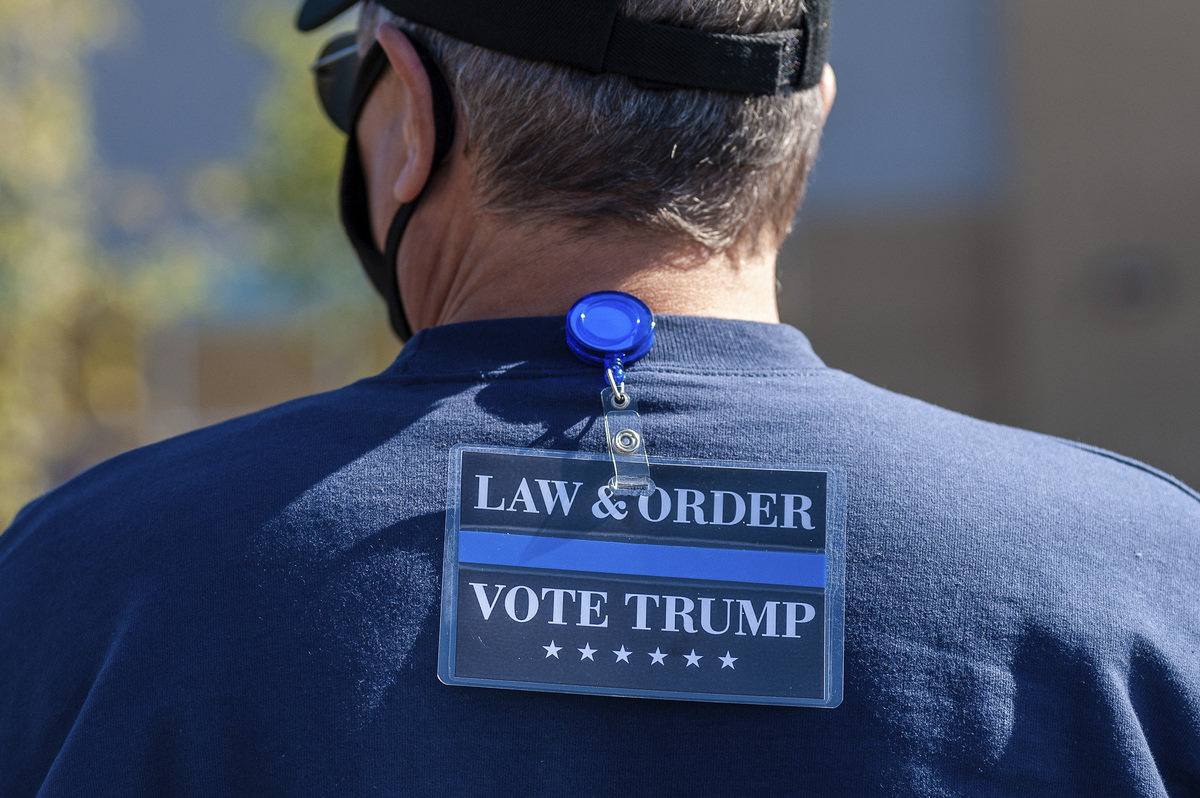
After the decline in crime rates starting in the 1990s, the focus on “law and order” shifted slightly, though it remained a recurring theme in political discourse. Leaders across both parties have used it, but its emphasis has varied with social and political contexts (Bill Clinton’s 1994 Crime Bill). Donald Trump revived “law and order” as a major theme, particularly during the uprisings following George Floyd’s murder in 2020. Trump framed himself as the candidate of “stability and security” amid social unrest. Increasing awareness of systemic racism and the failures of punitive justice systems has led to backlash against “law and order” rhetoric. Movements like Black Lives Matter have called for police reform and a rethinking of public safety, challenging the narrative of strict punishment as the only solution to crime.
The “law and order” strategy remains a powerful, albeit polarizing, political tool, shaping public policy and discourse on crime, justice, and social equity. How will you listen critically to the language of politicians?