The Historical Use of Race and Class Divisions to Maintain Power:
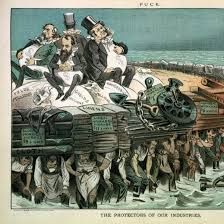
Throughout American history, powerful elites have often relied on race and class divisions to maintain control, discouraging unity among marginalized groups. By emphasizing racial differences and perpetuating systems of inequality, they have created societal barriers that prevented coalition-building across racial and economic lines. This strategy has played a significant role during pivotal historical periods, such as early colonial law, specifically, the Virginia Slave Codes, the Reconstruction era, the Jim Crow era, and today. Virgina Slave Codes: The concept of “race” as we understand it today is not an innate or biological reality but a social and political invention developed to justify systems of exploitation and hierarchy. A critical turning point in the invention of race occurred in the American colonies during the 17th century, particularly through the Virginia Slave Codes. These laws institutionalized the racial distinctions that would underpin slavery and shape American society for centuries to come.
Reconstruction and the Rise of Divisive Strategies:
After the Civil War, the Reconstruction era (1865–1877) represented a brief but revolutionary moment when freed Black Americans, poor whites, and others had the potential to align politically. Policies like the 13th, 14th, and 15th Amendments aimed to expand citizenship, equality, and voting rights for formerly enslaved people. However, wealthy landowners and industrial elites in the South feared losing power as new coalitions emerged that could threaten their dominance. To counter this, elites used race as a wedge issue. For instance: The Spread of White Supremacy Narratives: Organizations like the Ku Klux Klan, backed by wealthy Southern elites, terrorized Black citizens and poor whites who sought unity.
Economic Control and Division:
Sharecropping and tenant farming created a system of economic dependency that pitted poor Black and white farmers against each other, even though both groups shared similar struggles. Political Suppression: Laws like Black Codes and poll taxes restricted the political power of Black Americans, solidifying divisions among working-class groups.
By redirecting frustrations over poverty and inequality into racial animosity, elites effectively fractured potential alliances. The Jim Crow Era and Structural Divisions: During the Jim Crow era (1877–1960s), racial segregation laws institutionalized these divisions further. While Black Americans faced systemic disenfranchisement and discrimination, many poor white communities struggled under exploitative labor systems. However, elites continued to emphasize racial differences to obscure shared economic struggles. Labor Movements and Racism: Efforts to unite workers across racial lines were sabotaged. Labor unions were often segregated, and racist policies discouraged collaboration among Black and white workers who both suffered under low wages and poor working conditions. The Promise of Whiteness: W. E. B. Du Bois coined the term “the psychological wage of whiteness,” highlighting how elites offered poor whites symbolic social status (through racial privilege) to distract from their economic oppression. This division preserved the economic and political power of the ruling class while preventing solidarity among workers.
Modern Political Rhetoric and Its Impact on Social Divisions:
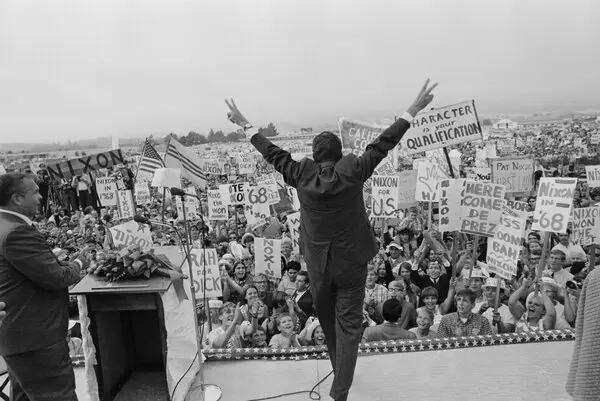
Echoes of these historical strategies persist in modern contexts. Political rhetoric sometimes amplifies cultural and racial divisions to distract from economic inequality or systemic issues. Economic Insecurity and Scapegoating: When economic anxiety rises (e.g., during recessions or job losses), some political leaders and media narratives frame immigrant, minority, or marginalized groups as threats to the livelihoods of white workers, rather than addressing structural problems. Distracting from Policy Solutions: Instead of promoting policies that benefit all working-class citizens—such as healthcare, affordable education, or fair wages—some leaders emphasize cultural “wedge issues” to foster division. This strategy mirrors tactics seen in the colonial era, Reconstruction and Jim Crow, where fear and resentment were weaponized to prevent coalition-building among economically disadvantaged groups. The historical use of race and class divisions to maintain power is a consistent theme in American history. By stoking racial animosity and discouraging coalition-building, elites have often secured their dominance while marginalized groups remain divided. Recognizing these patterns as they are occurring can allow modern movements to build bridges across race and class, fostering unity that challenges systemic inequalities.
Trump and the Racial Politics of the South
Donald Trump’s Southern Strategy
Class War or Culture War- Timothy Snyder